Substitute for Queso Fresco
Queso Fresco
Need exact measurements? Use the substitution calculator
Flavor profile: Mild, crumbly, slightly salty fresh cheese that softens when heated but doesn't fully melt.
What Is Queso Fresco?
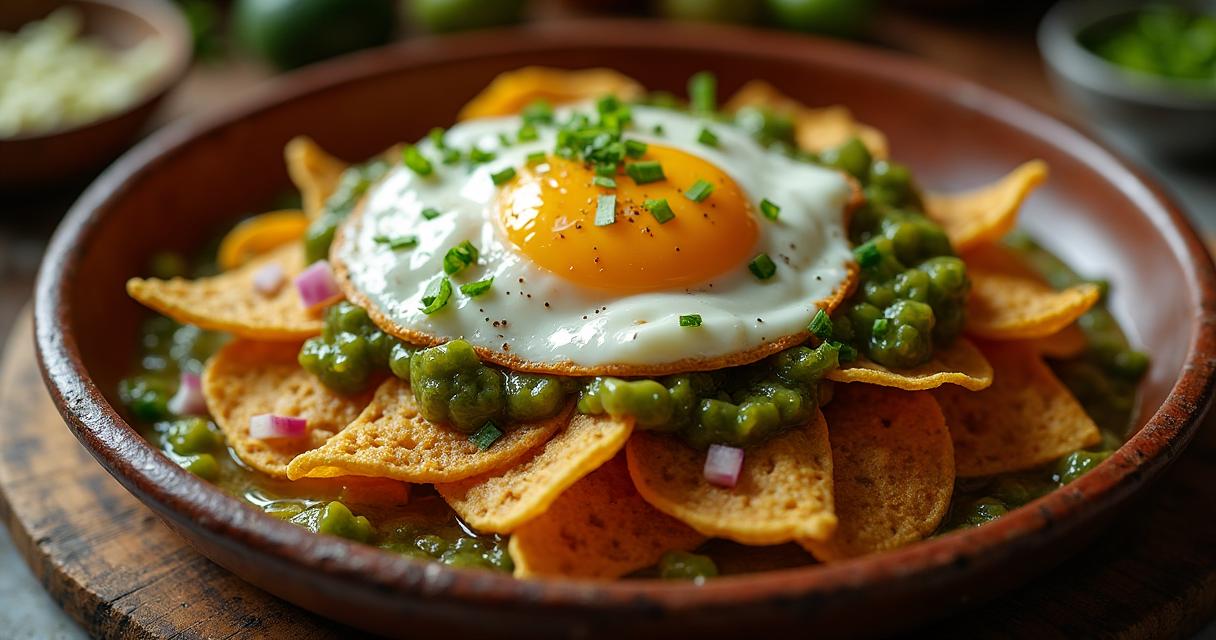
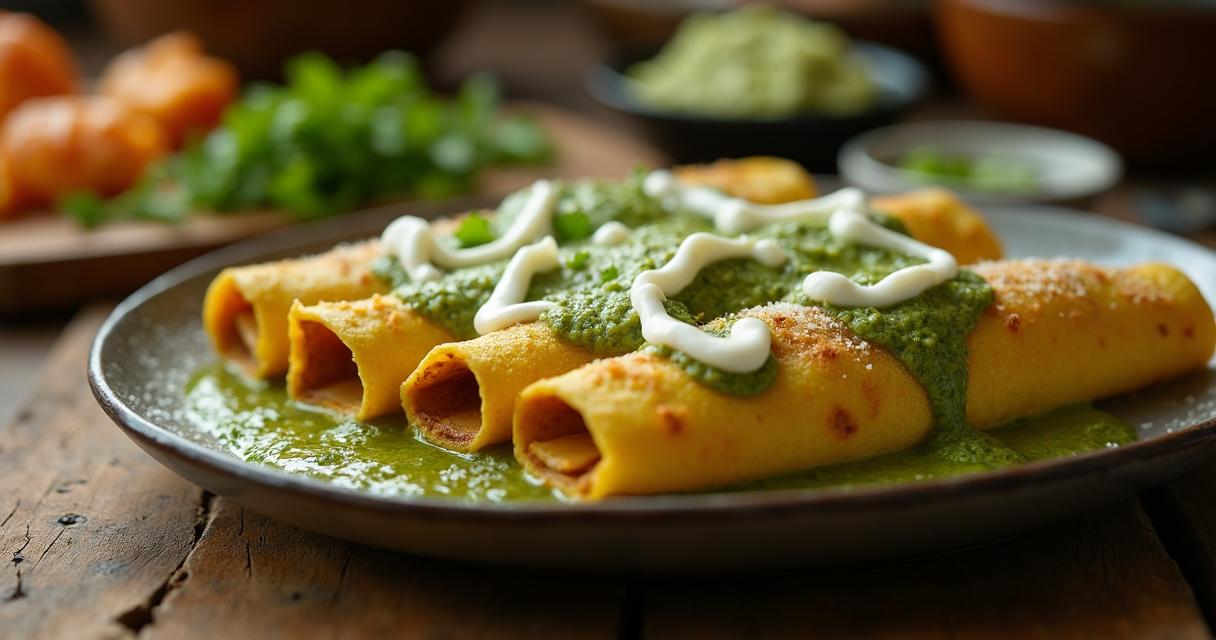
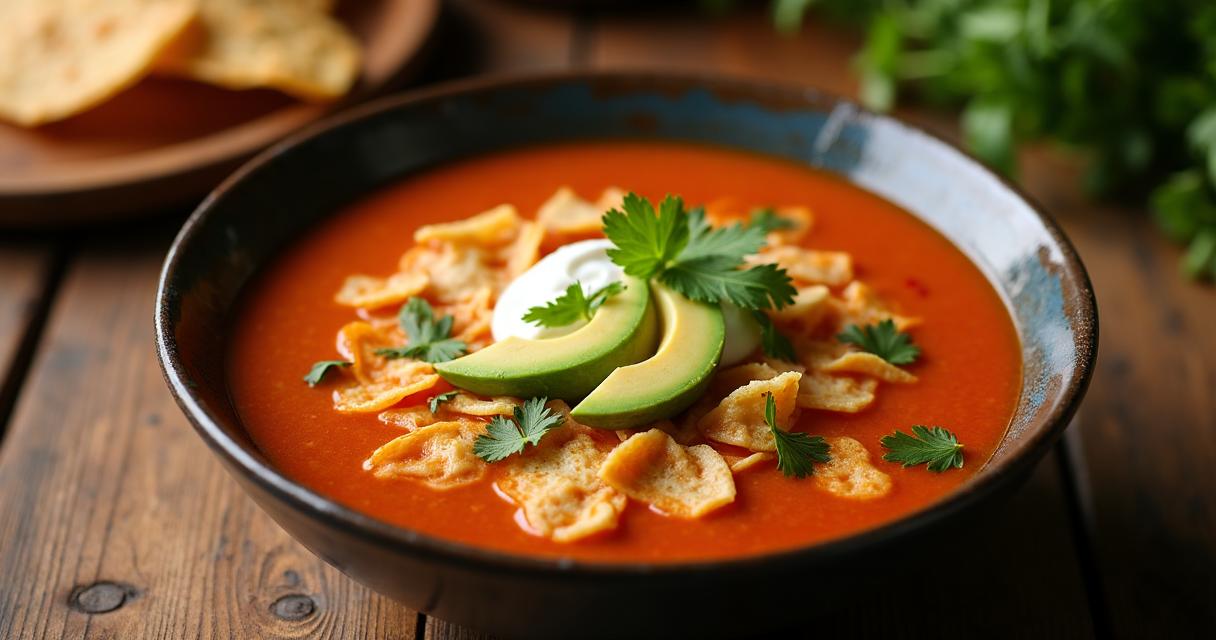
Queso fresco is a soft, moist, unaged Mexican cheese made from cow's milk (or a blend of cow and goat milk). It has a mild, milky flavor with a gentle tang and a crumbly texture similar to farmer's cheese. In Mexican cooking, it's crumbled over enchiladas, tacos, chilaquiles, elote, and salads — it provides a cool, creamy contrast to spicy and rich dishes.
Where to Find It
Available at most US grocery stores in the specialty cheese or Hispanic foods section. Brands like Cacique and El Mexicano are widely distributed. Latin markets and Walmart typically carry it year-round.
Best Substitutes
Mild feta cheese (rinsed)
Tangier and slightly saltier — rinsing under water for 30 seconds reduces the brininess
Crumble it the same way you would queso fresco. French feta is milder than Greek feta and makes a closer match.
Farmer's cheese
Very similar mild flavor, slightly less salty, same crumbly texture
This is probably the closest match in both taste and texture. Available at most grocery stores near the cream cheese.
Ricotta salata
Saltier and firmer with a drier texture, but crumbles beautifully
An Italian pressed, salted ricotta. It's drier than queso fresco but works well as a topping on Mexican dishes.
Dry cottage cheese (pressed)
Milder and wetter — press in a cheesecloth to remove excess moisture
A budget-friendly option. Press the cottage cheese in a cheesecloth for 30 minutes, then crumble. Add a tiny pinch of salt.
Best Queso Fresco Substitute by Dish
Crumbled on tacos, tostadas, or elote: Mild feta rinsed under cold water for 30 seconds to pull out excess salt, 1:1. Ricotta salata is the closest in texture if you can find it.
In enchiladas or chiles rellenos (needs to soften, not melt): Paneer at 1:1 behaves almost identically — it softens under heat without melting into a pool. Firm farmer's cheese also works.
In salads or as a fresh topping: Mild feta 1:1, or fresh mozzarella patted very dry and crumbled for a milder, less salty result.
Blended into sauces or dips: Whole-milk ricotta at 1:1, drained 30 minutes in a strainer first.
Queso Fresco vs Cotija (Commonly Confused)
Queso fresco is fresh, soft, moist, and mild. It crumbles into large soft pieces and softens when heated without melting. It's a cooling, creamy finishing cheese.
Cotija is aged, dry, hard, and sharply salty — often called Mexican Parmesan. It grates rather than crumbles and adds salt and punch rather than creaminess.
They are not interchangeable without adjustment. If you substitute cotija for queso fresco, use about half as much and reduce the salt elsewhere in the dish. If you substitute queso fresco for cotija, you'll need to add salt to compensate.
Queso Fresco vs Cotija — What's the Difference?
These are the two most common Mexican cheeses, and they serve different purposes. Understanding the difference helps you pick the right substitute.
Queso Fresco
- Texture: Soft, moist, crumbly
- Flavor: Mild, milky, gently tangy
- Aged: Fresh (unaged)
- Melts? Softens but doesn't fully melt
- Best for: Crumbling on top of dishes as a cool, mild contrast
Cotija
- Texture: Hard, dry, crumbly
- Flavor: Strong, salty, sharp (like Parmesan)
- Aged: Aged several months
- Melts? Does not melt at all
- Best for: Adding a punch of salty, savory flavor as a finishing sprinkle
Bottom line: If your recipe calls for queso fresco, it wants something mild and cool. If it calls for cotija, it wants something salty and bold. They're not interchangeable — cotija will overpower where queso fresco should be subtle.
Queso Fresco Substitutes by Use Case
Crumbling on Top of Dishes
This is the most common use — scattered over chilaquiles, enchiladas, elote, tostadas, or soups.
Best substitutes: Mild feta (rinsed), farmer's cheese, ricotta salata. See our dedicated guide: Substitute for Crumbled Queso Fresco.
Inside Quesadillas & Stuffed Dishes
When queso fresco is used inside quesadillas or stuffed peppers, you need a cheese that softens with heat. Best substitutes: Monterey Jack (melts beautifully), mild mozzarella, or Oaxaca cheese if you can find it. These melt better than queso fresco's crumbly alternatives.
In Salads & Cold Dishes
When queso fresco appears in cold preparations, the key quality is mild creaminess. Best substitutes: Fresh mozzarella (torn into small pieces), paneer cubed small, or mild goat cheese. These match the cool, fresh quality without adding too much salt or tang.
Frequently Asked Questions
What does queso fresco taste like?
Queso fresco has a mild, fresh, milky flavor with a very gentle tanginess — similar to a mild ricotta or farmer's cheese, but firmer and crumblier. It's not sharp, salty, or pungent. The flavor is subtle, which is why it works as a cooling contrast to spicy Mexican dishes.
Does queso fresco melt?
Queso fresco softens when heated but doesn't fully melt into a gooey, stretchy consistency like mozzarella or cheddar. When added to hot dishes, it holds its crumbled shape — which is actually the point. It's meant to provide texture and contrast, not melt into the dish. For a melty cheese in Mexican cooking, use Oaxaca cheese or Monterey Jack.
Can I use feta instead of queso fresco?
Yes — mild feta is the most widely available substitute. Rinse it under cold water for 30 seconds to reduce the brininess. French feta is milder and closer to queso fresco than Greek feta. Crumble it by hand for the right texture. It's tangier than queso fresco but works well in most recipes.
Is queso fresco the same as cotija cheese?
No. Queso fresco is fresh, soft, mild, and moist. Cotija is aged, hard, salty, and dry — often called "Mexican Parmesan." They're used differently: queso fresco for mild creaminess, cotija for a bold salty punch. They're not interchangeable.
What to Use Instead of Queso Fresco (By Dish)
Tacos, tostadas and elote (crumbled raw on top): mild feta rinsed under cold water for 30 seconds and patted dry, 1:1. The rinse pulls out enough salt to bring it close to queso fresco. Ricotta salata is a better texture match if you can find it.
Enchiladas, chiles rellenos and anything baked (needs to soften but hold shape): paneer, 1:1. It warms through without melting or weeping. Firm farmer's cheese is a close second.
Salads and cold plates: fresh mozzarella patted very dry and crumbled, 1:1, for the mildest result.
Blended into dips or sauces: whole-milk ricotta drained in a fine strainer for 30 minutes, 1:1.
What not to use: cotija (far too salty — use half the amount if it's all you have), cream cheese (won't crumble), or melting cheeses like cheddar (queso fresco doesn't melt, so a cheese that does changes the dish).
Dairy-Free Queso Fresco Substitute
Press a block of firm tofu for 20 minutes, crumble it, and toss with salt and a squeeze of lime. Use 1:1. It won't taste like queso fresco, but it gives the same cool, mild, crumbly contrast on a hot dish. Cashew-based fresh cheeses sold as "cashew ricotta" also work well.
Frequently Asked Questions
How to Make Queso Fresco at Home
Queso fresco is one of the easiest cheeses to make — no rennet, no cultures, no special equipment. Two ingredients and 30 minutes.
Makes about 1 lb
Prep 10 min · Cook 20 min
Ingredients
- 1 gallon whole milk (not ultra-pasteurized — it won't curdle properly)
- ¼ cup white vinegar or fresh lime juice
- 2 tsp salt
Method
- Heat the milk slowly in a large pot to 185–190°F (85–88°C), stirring often so it doesn't scorch. If you have no thermometer, pull it just as it begins to steam heavily, before it boils.
- Remove from heat. Stir in the vinegar or lime juice and let it stand undisturbed for 10 minutes. Curds will separate from a pale yellow whey.
- Line a colander with cheesecloth and pour the mixture through. Drain 15 minutes.
- Stir the salt into the curds.
- Gather the cheesecloth, twist into a ball, and press under a weighted plate for 1–2 hours. Longer pressing gives a firmer, more crumbly cheese.
Keeps 1 week refrigerated. Use lime juice for a slightly brighter flavor, vinegar for a cleaner and more neutral one.
Related Ingredient Guides
Cotija Cheese
Aged, salty, dry, crumbly cheese often called the 'Mexican Parmesan' for its bold, sharp flavor.
View substitutes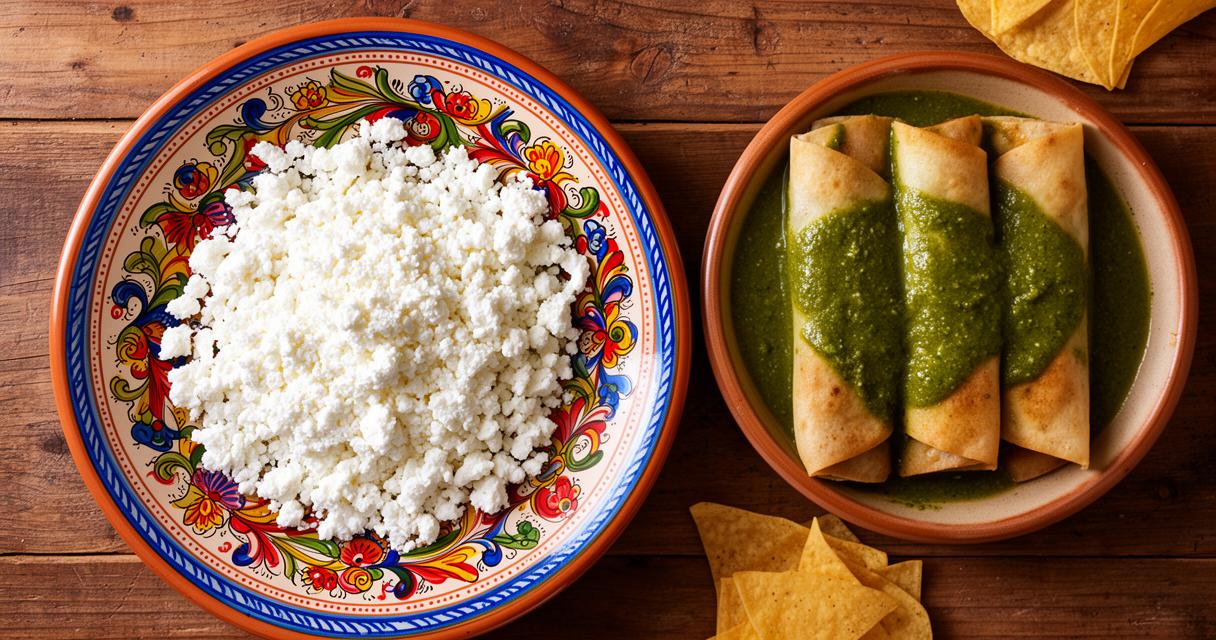
Crumbled Queso Fresco
Mild, milky, crumbly fresh cheese used as a finishing topping — adds cool creaminess to spicy dishes.
View substitutes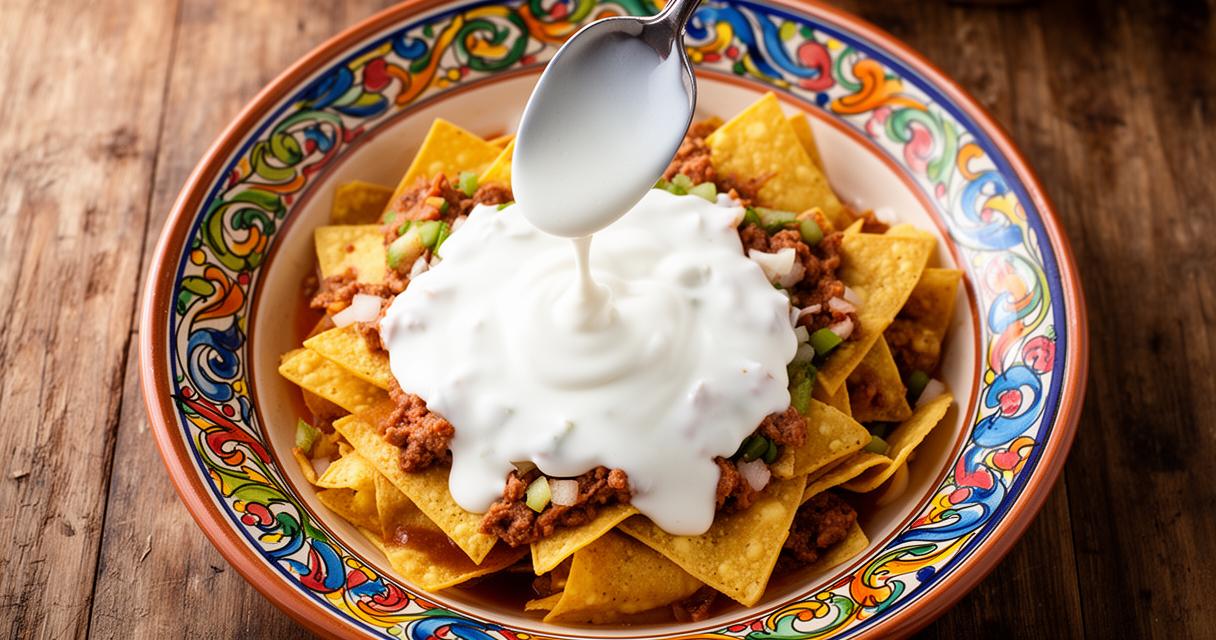
Mexican Crema
Rich, mildly tangy, pourable cultured cream — thinner and gentler than sour cream, with a silky texture that drizzles cleanly.
View substitutesChipotle in Adobo
Smoke-dried jalapeños stewed in a tangy, sweet, slightly spicy tomato-vinegar sauce.
View substitutesMasa Harina
Distinctive corn flavor from nixtamalization — earthy, slightly sweet, and uniquely 'Mexican.'
View substitutesTomatillos
Tart, citrusy, slightly herbal green fruit with a bright acidity — the backbone of salsa verde.
View substitutes