Substitute for Masa Harina
Masa Harina
Need exact measurements? Use the substitution calculator
Flavor profile: Distinctive corn flavor from nixtamalization — earthy, slightly sweet, and uniquely 'Mexican.'
What Is Masa Harina?
Masa harina is a flour made from dried nixtamalized corn — corn that has been soaked and cooked in an alkaline solution (usually lime water), then dried and ground. This ancient process gives it a distinctive flavor and aroma that regular cornmeal can't replicate. It's the foundation of tortillas, tamales, pupusas, gorditas, sopes, and many other Mexican staples. Just add water and salt to form a pliable dough (masa).
Where to Find It
Very widely available in the US. Maseca and Bob's Red Mill are the most common brands, found in the baking aisle or Hispanic foods section of nearly every grocery store. It's inexpensive ($3–4 for a large bag) and keeps for months in a cool, dry place.
Best Substitutes
Fresh masa from a tortillería
Better flavor and texture — fresh masa is the gold standard, masa harina is actually the substitute for this
If you have a local tortillería or Mexican market that sells fresh masa, use it. It's superior in every way. Ask for 'masa para tortillas' or 'masa para tamales' depending on your recipe.
Fine cornmeal
Missing the distinctive nixtamalized flavor — tastes like regular corn rather than the complex, earthy masa flavor
Fine cornmeal will work for texture in a pinch but won't taste like traditional Mexican masa. The dough will also be grittier and less pliable.
Corn flour (NOT cornstarch)
Similar texture but completely different flavor — not nixtamalized so it lacks the characteristic taste
Make sure you use corn flour (finely ground corn), not cornstarch (a white, flavorless thickener). The result will look right but taste different.
Masa Harina Substitute Calculator
Masa Harina
Regular cornmeal + all-purpose flour
Regular cornmeal + all-purpose flour
→ ¾ cups cornmeal + ¼ cups flour
💡 Add ½ tsp lime juice per cup to improve flavor
Fine cornmeal only
→ 1 cups fine cornmeal
💡 Tortillas will be grittier — let dough rest 30 min
Corn flour (P.A.N.)
→ 1 cups corn flour
💡 Made for arepas but works — slightly different texture
Masa Harina vs Cornmeal vs Corn Flour — What's the Difference?
This is the most common source of confusion in Mexican cooking. All three come from corn, but they are not interchangeable. The key difference is a process called nixtamalization.
Nixtamalization is an ancient Mesoamerican technique where dried corn kernels are soaked and cooked in an alkaline solution — traditionally water mixed with slaked lime (calcium hydroxide). This process does three things: it loosens the tough outer hull of the kernel, it changes the chemical structure of the corn proteins making them more nutritious and easier to digest, and it creates the distinctive earthy, slightly sweet flavor that defines Mexican tortillas and tamales.
Masa harina is made from nixtamalized corn that's been dried and ground into flour. It has that distinctive "tortilla" taste and forms a smooth, pliable dough when mixed with water. This is what you need for authentic tortillas, tamales, gorditas, and sopes.
Cornmeal is simply dried corn kernels ground to various textures (fine, medium, coarse). It has NOT been nixtamalized, so it tastes like plain corn — think cornbread, polenta, or johnnycakes. It won't form a proper dough and lacks the characteristic flavor of masa.
Corn flour is just very finely ground cornmeal. Same thing, different grind. It's sometimes confused with cornstarch (which is a white, flavorless thickening powder and something else entirely). Corn flour works as a thickener but doesn't have the masa flavor.
Masa Harina Substitutes by Use Case
For Tortillas
Best option: Fresh masa from a tortillería — this is actually what masa harina is trying to replicate. If you can find it, use it. Otherwise, there is no good substitute for making tortillas. Cornmeal and corn flour won't form the right dough. If you can't find masa harina, buy pre-made tortillas instead.
For Tamales
Best option: Fresh masa para tamales — ask your local tortillería for "masa para tamales," which is coarser than tortilla masa. If unavailable, Maseca or any masa harina brand works well. Use the tamale-specific variety (blue bag) if available. No good non-masa substitute exists for tamale dough.
For Thickening Soups & Chili
Best option: Fine cornmeal or corn flour — when masa harina is used as a thickener (like in chili or pozole), the corn flavor matters less than the body it adds. Fine cornmeal works nearly as well. Crushed tortilla chips blended smooth are another clever option. Exact ratios are in the chili and thickening section below.
For Pupusas & Gorditas
Best option: Fresh masa or any masa harina brand — these stuffed corn cakes require the pliability and flavor that only nixtamalized corn provides. There is no adequate non-masa substitute. Stock up on masa harina — it keeps for months in a cool pantry.
Maseca Substitute (and How Maseca Differs from Masa Harina)
Maseca is masa harina — it's the most widely distributed brand of nixtamalized corn flour in Mexico and the US. People say "Maseca" the way they say "Kleenex" for tissues. So if your recipe calls for Maseca specifically, any masa harina works as a direct 1:1 replacement. The only thing that truly matters is that it's nixtamalized corn flour, not plain cornmeal or corn flour. Maseca sells a yellow bag (tortillas) and a blue bag (tamales, coarser grind).
Bob's Red Mill Masa Harina — 1:1
Slightly coarser grind than Maseca with a more robust corn flavor. Sold at most health food stores and many regular grocery stores. Some cooks prefer it.
Gold Mine Masa Harina — 1:1
Organic, traditionally nixtamalized, similar fine grind with a slightly more pronounced corn flavor. Mostly online and at specialty stores.
Minsa Corn Masa Flour — 1:1
Maseca's main competitor and a straight swap. Common in Latin markets and often a little cheaper.
Fresh masa from a tortillería — 2 lbs fresh masa ≈ 2 cups dry masa harina
Superior flavor and texture — fresh masa is what masa harina is trying to replicate. Ask for "masa para tortillas" or "masa para tamales" depending on the recipe.
Fine cornmeal — 1:1 (last resort)
Not nixtamalized, so it won't form a proper dough for tortillas or tamales. Acceptable only for thickening soups and chili.
Masa Harina Substitute for Chili and Thickening
Masa harina is a classic chili thickener: it gives the broth a silky, slightly creamy body and adds a subtle corn flavor that rounds out the spice and meat. Many championship chili recipes stir in a couple of tablespoons during the last 20 minutes of cooking. Because you're after body rather than dough, this is the one use case where non-nixtamalized substitutes work well.
- Fine cornmeal — 1:1. Similar corn flavor, slightly grittier. Stir in 30 minutes before serving so it has time to soften.
- Corn flour (not cornstarch) — 1:1. Nearly identical thickening power and dissolves more smoothly than cornmeal; a touch less complex since it isn't nixtamalized.
- Crushed tortilla chips — about 15 chips per 2 tbsp masa harina. Blend plain chips to a powder and stir in. Chips are made from masa, so the flavor is surprisingly close — reduce added salt.
- Instant corn grits — 1:1. Pulse in a spice grinder first for a finer texture, otherwise the chili turns coarse.
- All-purpose flour — 1:1. Thickens well but adds zero corn flavor. Make a cold-water slurry first to prevent lumps. Least ideal option.
Same approach applies to pozole, frijoles charros, and any brothy stew you want to tighten up.
Masa Harina Substitute for Thickening Chili
When masa harina is used to thicken chili rather than make dough, you need a thickener, not a dough flour.
Best substitute: fine cornmeal at half the amount, whisked into cold water first. Added dry, cornmeal goes grainy.
Also works:
- Cornstarch — ⅓ the amount, slurried in cold water. Thickens cleanly but adds no corn flavour.
- Corn tortillas — 2 small tortillas blended into the pot equals about 2 tablespoons masa harina. Closest in flavour, since tortillas are made from masa.
- All-purpose flour — ½ the amount, slurried. Neutral, and it slightly dulls the chile flavours.
For 1 tablespoon masa harina: 1½ teaspoons cornmeal slurry, 1 teaspoon cornstarch slurry, or 1 small corn tortilla blended.
Using Maseca specifically? See our Maseca substitute guide.
What Is Maseca, and Is It the Same as Masa Harina?
Maseca is a brand, not a different product. It is instant corn masa flour — the most widely distributed brand of masa harina in the United States. If a recipe calls for Maseca, any masa harina works, and vice versa.
What matters is the type. Maseca sells several varieties:
- Maseca (yellow bag) — standard masa harina for tortillas
- Maseca para Tamales — coarser grind, for tamale dough only
- Maseca para Antojitos — for gorditas, sopes, and pupusas
Do not substitute tamale masa for tortilla masa. The coarser grind will produce tortillas that crack and fall apart.
Both Maseca and other masa harina brands are nixtamalized — treated with lime (calcium hydroxide) — which is what separates masa harina from plain corn flour or cornmeal. That process is why cornmeal cannot make real tortillas.
Frequently Asked Questions
Related Ingredient Guides
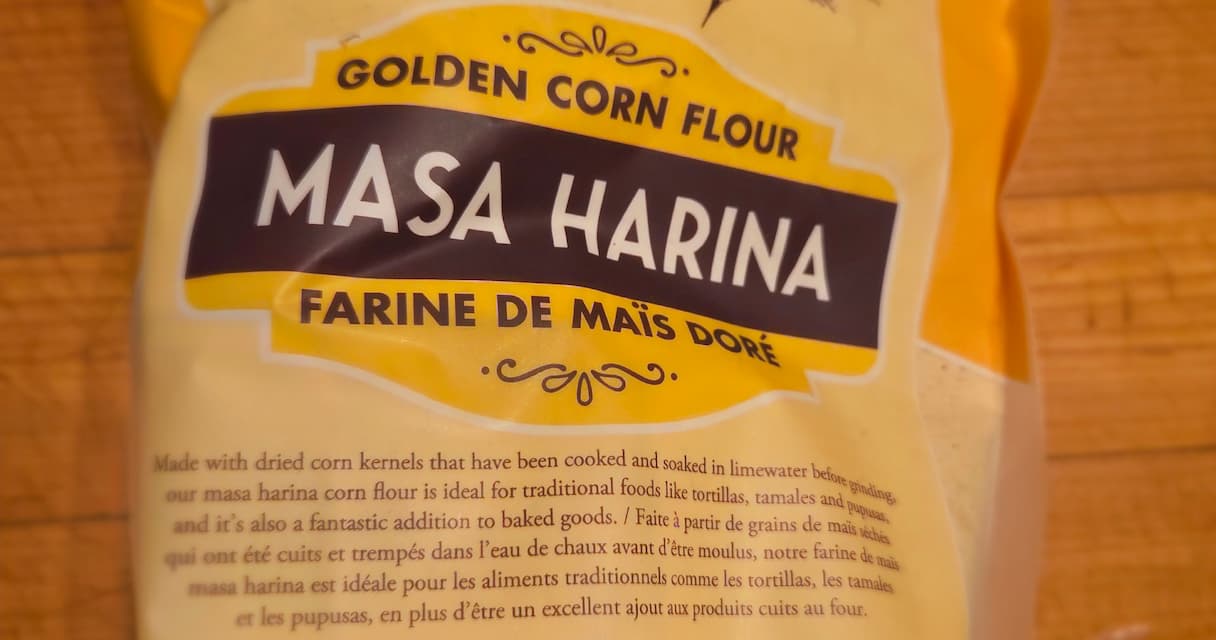
Maseca
Nixtamalized corn flour — earthy, faintly sweet, with the unmistakable aroma of fresh tortillas.
View substitutesDried Corn Husks
Neutral flavor with a faint sweet, grassy corn aroma that subtly infuses into steamed tamales.
View substitutesPiloncillo
Unrefined Mexican cane sugar with deep caramel, molasses, and slight smoky notes.
View substitutesQueso Fresco
Mild, crumbly, slightly salty fresh cheese that softens when heated but doesn't fully melt.
View substitutes