Substitute for Ancho Chile Powder
Chile Ancho en Polvo
The best ancho chile powder substitute is regular chili powder used 1:1 — it's less fruity but works in most recipes. For a closer flavor match, use guajillo chile powder with a pinch of sugar. If you only have pantry staples, smoked paprika + cumin (1 tsp paprika + ¼ tsp cumin per tsp ancho) adds warmth and color.
Need exact measurements? Use the substitution calculator
🌶️ See full chile guide for Ancho →Flavor profile: Rich, mildly sweet, fruity dried chile powder with notes of raisin, chocolate, and mild heat.
What Is Ancho Chile Powder?
Ancho chile powder is made from ground dried ancho chiles (dried poblano peppers). It has a complex, mildly sweet flavor with fruity undertones — richer and more nuanced than generic 'chili powder,' which is usually a blend of multiple chiles and spices. Many Mexican recipes specifically call for ancho powder because of its distinctive fruity sweetness and deep red-brown color. It's a key ingredient in moles, enchilada sauces, rubs, and adobos.
Where to Find It
Available in the spice aisle of well-stocked grocery stores, at Latin markets, or from online spice retailers. You can also make your own by grinding dried ancho chiles in a spice grinder. It's more specialty than regular chili powder but increasingly available.
Best Substitutes
Regular chili powder
Less complex and fruity — generic chili powder is a blend that includes cumin and garlic, so the flavor is broader but less nuanced
The most accessible substitute. It works in most recipes but the dish will taste less distinctly 'ancho.' Adjust cumin and garlic separately since chili powder already contains them.
Guajillo chile powder + pinch of sugar
Brighter and more tangy than ancho — the sugar helps approximate ancho's natural sweetness
Guajillo powder is sometimes easier to find than ancho. The sugar rounds out the flavor to be closer to ancho's fruity-sweet profile.
Pasilla chile powder
More herbaceous and slightly bitter, darker color, less fruity sweetness
Pasilla and ancho are both part of the 'holy trinity' of Mexican dried chiles. Pasilla will darken the dish more.
Mulato chile powder
Very close — slightly more chocolatey and smokier, similar sweetness
Mulato chiles are a different variety of dried poblano. If you can find mulato powder, it's the closest match to ancho.
Smoked paprika + cumin
Different flavor profile — smokier and less fruity, but adds warmth and color
A pantry-staple backup. It won't taste like ancho but adds depth and mild heat to the dish.
Flavor Profile Comparator
See how each substitute compares to ancho chile powder across 5 key flavor dimensions.
Regular Chili Powder
Blended spice mix — adds cumin and garlic flavor that ancho doesn't have. Good all-purpose swap but less complex.
Substitute for dried ancho chiles (whole, not powder)
When a recipe calls for whole dried ancho chiles rather than powder, the best swaps are other dried Mexican chiles. Pasilla chiles work 1:1 — they're slightly more herbaceous but share ancho's dark, mildly sweet character. Mulato chiles are also a 1:1 swap and arguably the closest match, with deeper chocolate and tobacco notes. Guajillo chiles work too, but they're noticeably spicier and tangier, so use about 25% fewer than the recipe calls for. For all three, follow the same prep as ancho: wipe the chiles clean, remove stems and seeds, toast them in a dry skillet for 20–30 seconds per side, then soak in hot water for 15–20 minutes until pliable before blending into your sauce.
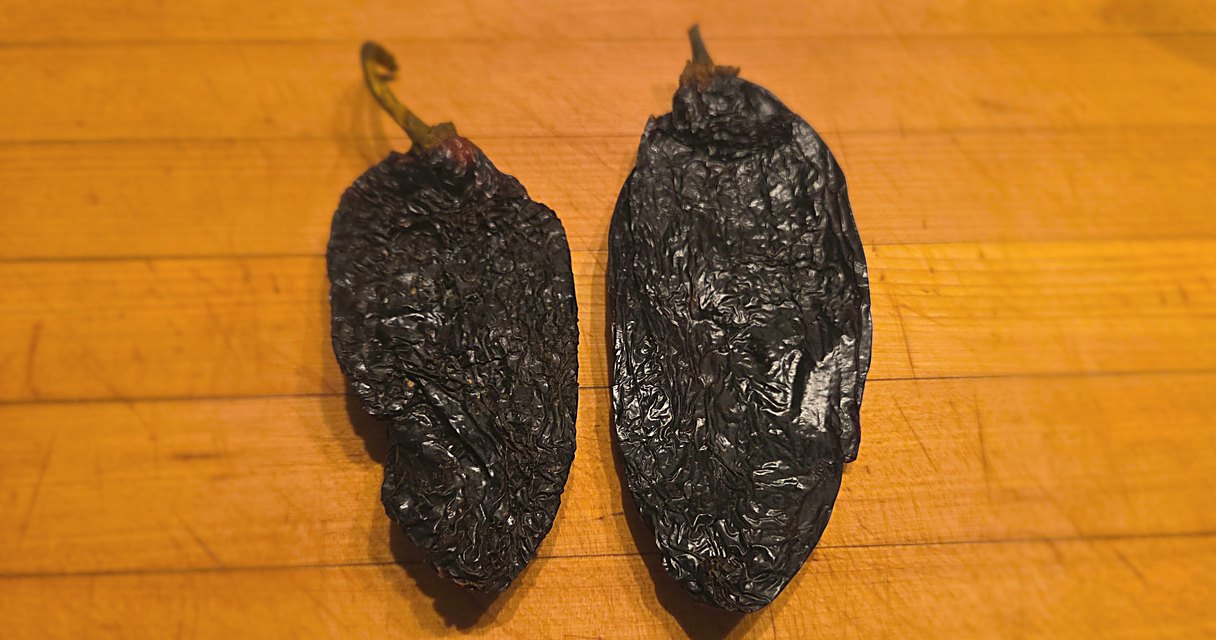
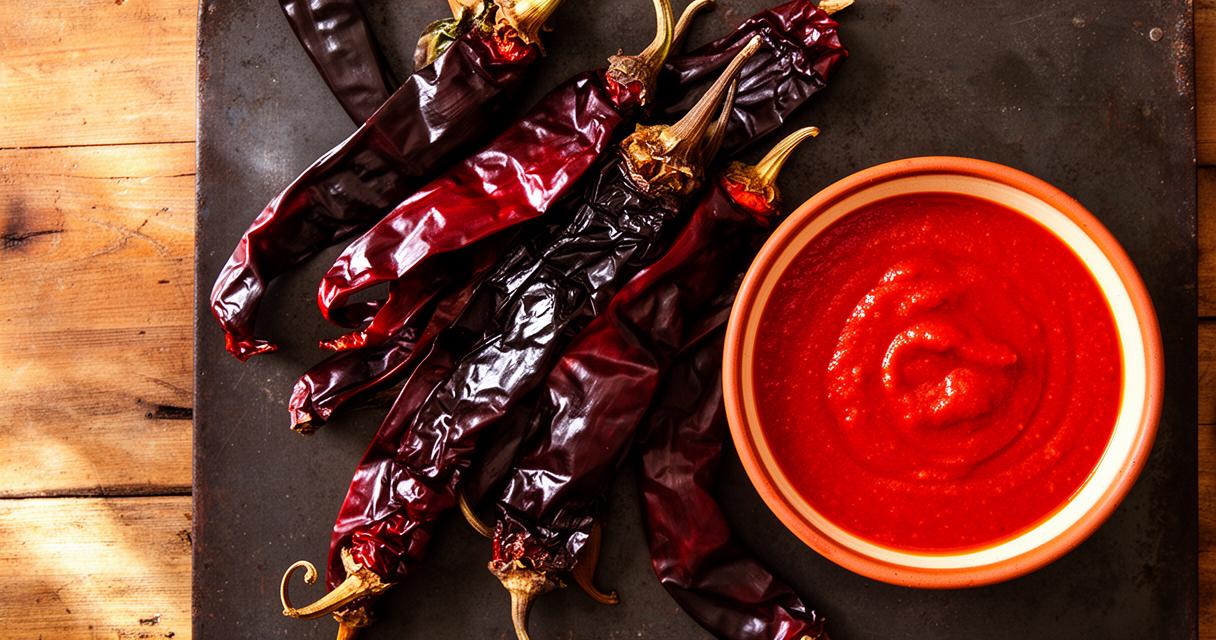
What a whole ancho chile is: a dried poblano — wrinkled, dark reddish-brown, wide and flat ("ancho" means "wide"). It's the most widely used dried chile in Mexican cooking, with mild heat (1,000–1,500 Scoville units) and a complex sweetness of raisin, chocolate, and coffee. It forms the base of moles, adobos, and enchilada sauces.
Converting between whole chiles and powder: one whole dried ancho equals roughly 1 tablespoon of ancho chile powder. When swapping powder in for whole chiles, add a splash of water or broth to make up for the rehydrating liquid you're no longer using. Going the other way, grind toasted dried anchos in a spice grinder for fresher-tasting powder than anything jarred.
Where to find whole dried anchos: one of the easiest dried chiles to buy in the US — most grocery stores carry them in the Hispanic foods or spice aisle, plus Latin markets, Walmart, and online. Look for pliable, deep reddish chiles; brittle ones are stale and taste dusty.
Ancho chile powder substitute for mole
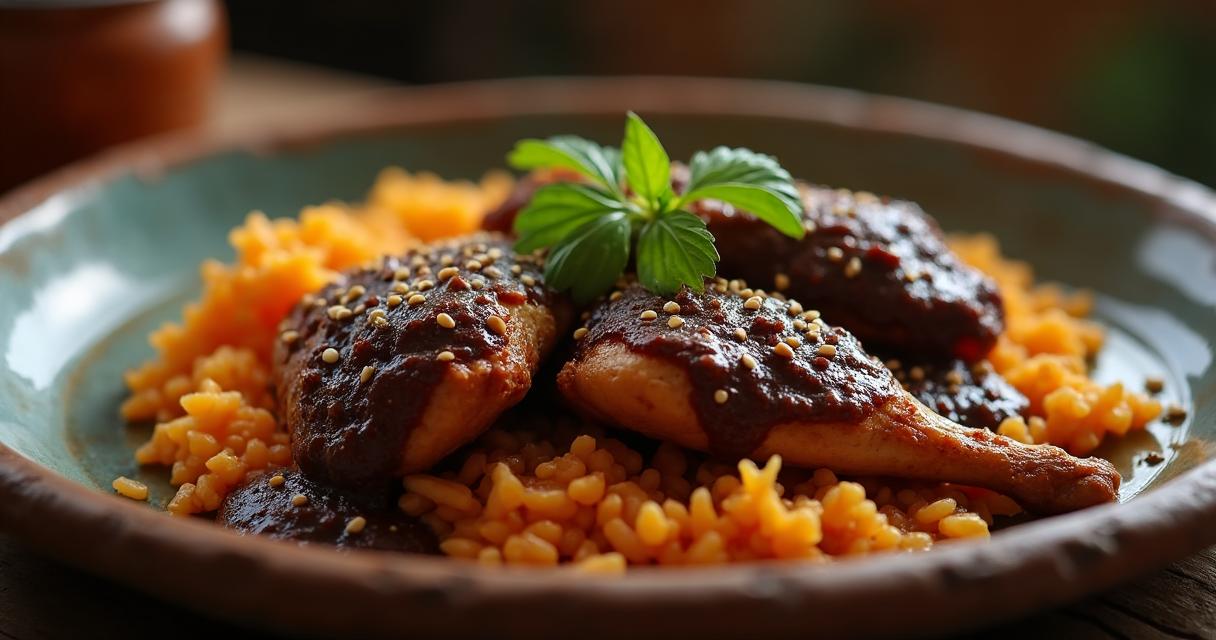
Mole is the most flavor-sensitive use case for ancho powder, so substitution matters most here. The closest match is pasilla chile powder — it shares ancho's dark, earthy sweetness and dried-fruit depth, which is exactly what a traditional mole negro or mole poblano relies on. Mulato powder is the best alternative if you can find it; it's actually used alongside ancho in many authentic mole recipes and contributes chocolate and raisin notes. Avoid generic chili powder for mole — the added cumin, garlic, and oregano flatten the sauce into something that tastes like Tex-Mex chili rather than the layered, slow-built complexity a real mole demands.
Ancho chile powder substitute for chili
Chili is the most forgiving use case for ancho substitution because the long simmer, beef, tomato, and spice blend mask small flavor differences. Regular chili powder works fine at 1:1 — in fact, most chili recipes are already built around it. For a smokier profile, swap in smoked paprika + a pinch of cayenne (about 1 tsp paprika + ⅛ tsp cayenne per tsp of ancho); many chili cooks actually prefer this combo. Chipotle powder is another option, but it brings significantly more heat and smokiness than ancho, so use about half the amount and taste as you go. None of these will hurt a chili — they'll just nudge it in a different direction.
Substitute for Dried Ancho Chiles (Whole, Not Powder)
If your recipe calls for whole dried ancho chiles rather than powder, substitute with other whole dried chiles — the rehydration step matters to the final texture.
Best swaps, all 1:1 by chile count:
- Mulato chiles — closest match, slightly smokier and more chocolatey
- Pasilla chiles — darker and more herbaceous, less fruity
- Guajillo chiles — brighter and tangier, less sweet; add a pinch of sugar per chile
If you only have powder: 1 whole dried ancho equals roughly 1 tablespoon of ancho powder. Skip the soaking and add the powder with your other dry spices.
To rehydrate: toast 30 seconds per side in a dry skillet, cover with hot water, and soak 20 minutes until pliable.
Ancho Chili Powder Substitute Using Only Paprika
If paprika is the only chile product you have: 1 teaspoon sweet paprika + ¼ teaspoon cumin + a pinch of cocoa powder replaces 1 teaspoon ancho powder. The cocoa supplies the dark, fruity note plain paprika lacks.
Smoked paprika instead of sweet gives a smokier result that reads closer to chipotle than ancho. It works, but the dish will taste different.
Frequently Asked Questions
How to Make Ancho Chile Powder at Home
Grinding your own ancho powder takes 10 minutes and tastes noticeably fresher and fruitier than store-bought, which is often months old.
Makes about ½ cup
Prep 5 min · Cook 5 min
Ingredients
- 5 dried ancho chiles (about 3 oz)
Method
- Wipe each chile with a damp cloth. Stem them and shake out the seeds. Tear into flat pieces.
- Toast in a dry skillet over medium heat, 30–60 seconds per side, pressing flat with a spatula, until fragrant and slightly darkened. Watch closely — anchos scorch fast and burnt chile is bitter and unusable.
- Cool completely on a plate, about 10 minutes. This step is not optional. Warm chiles are leathery and will grind into flakes rather than powder.
- Grind in a spice grinder or clean coffee grinder for 30–60 seconds until fine.
- Sift through a fine-mesh strainer. Return any coarse pieces to the grinder and repeat.
Store in an airtight jar away from light. Keeps 6 months, though the fruity notes are strongest in the first 8 weeks.
One whole dried ancho yields roughly 1 tablespoon of powder.
Related Ingredient Guides
Guajillo Chiles
Mild to medium dried chile with a smooth, sweet, slightly tangy flavor and deep red color.
View substitutesChipotle in Adobo
Smoke-dried jalapeños stewed in a tangy, sweet, slightly spicy tomato-vinegar sauce.
View substitutesAdobo Sauce
Tangy, smoky, garlicky tomato-vinegar sauce with mild sweetness and gentle chile warmth.
View substitutesAchiote Paste
Earthy, slightly sweet, mildly peppery red paste made from annatto seeds, spices, and vinegar.
View substitutes