Substitute for Guajillo Chiles
Chiles Guajillo
Need exact measurements? Use the substitution calculator
🌶️ See full chile guide for Guajillo →Flavor profile: Mild to medium dried chile with a smooth, sweet, slightly tangy flavor and deep red color.
What Are Guajillo Chiles?
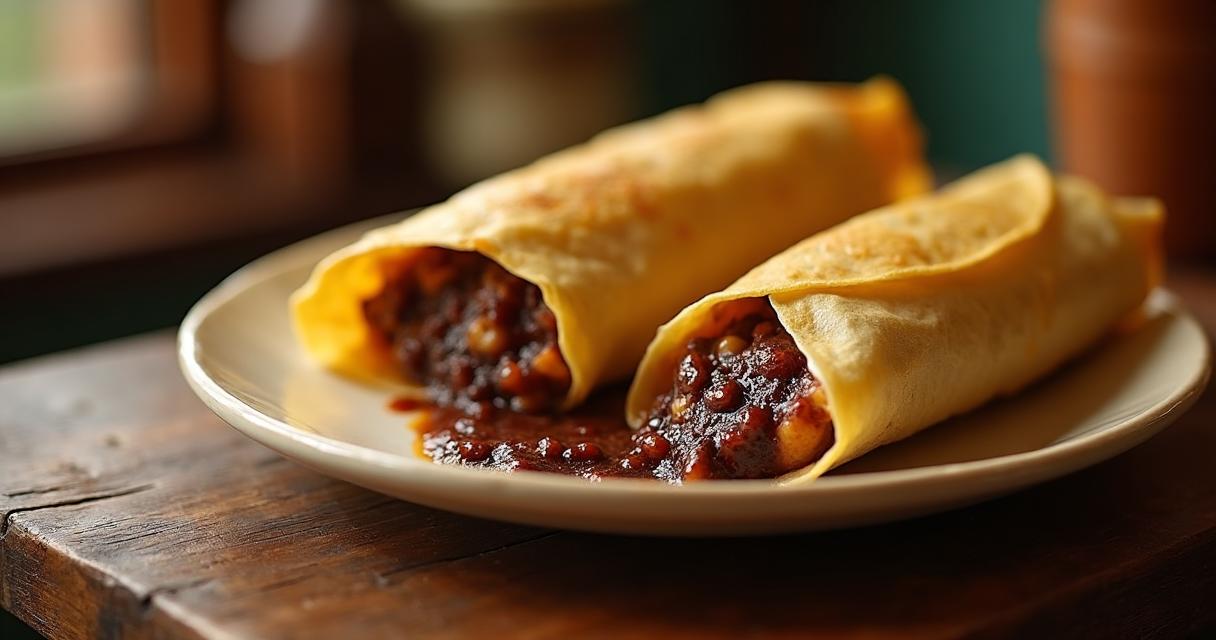
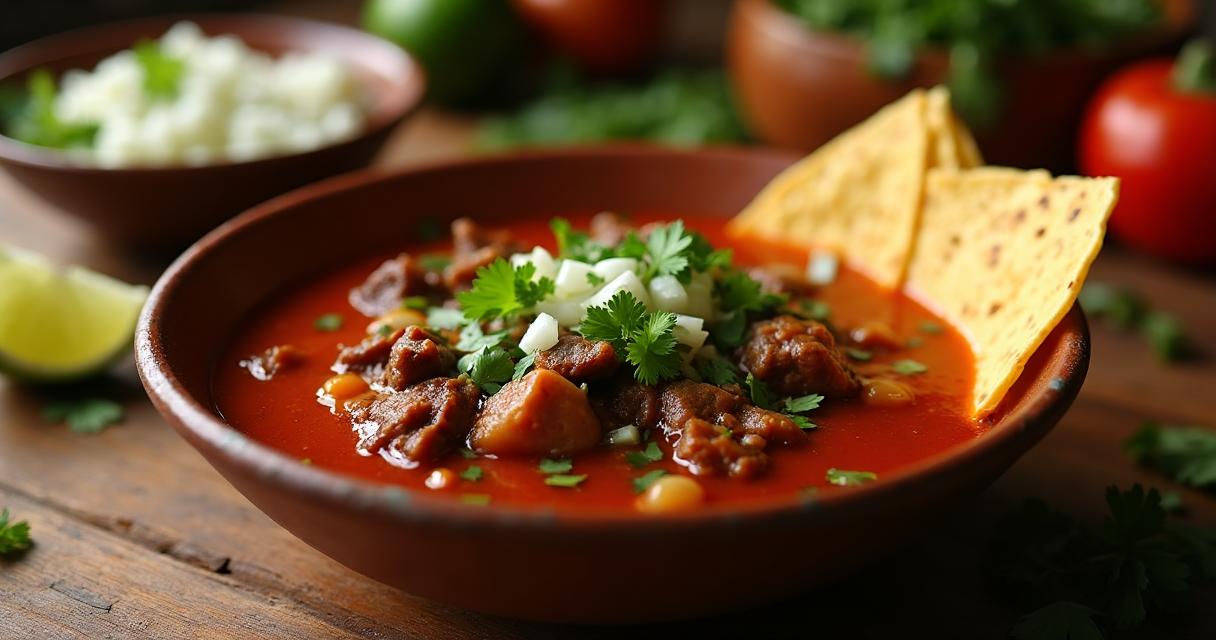
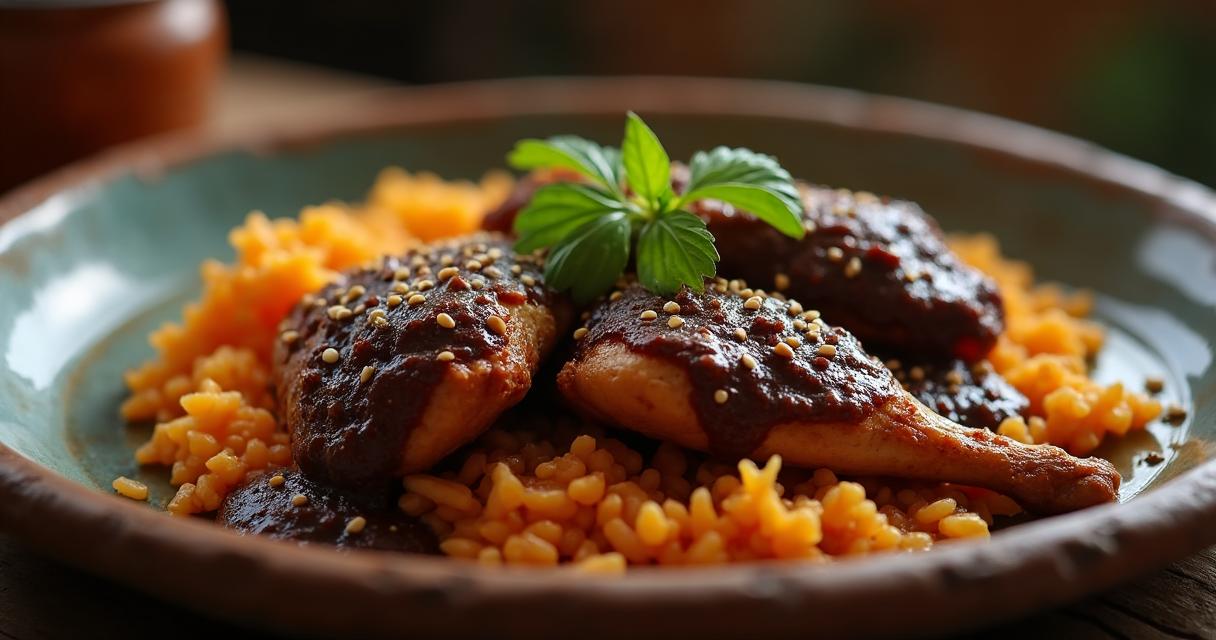
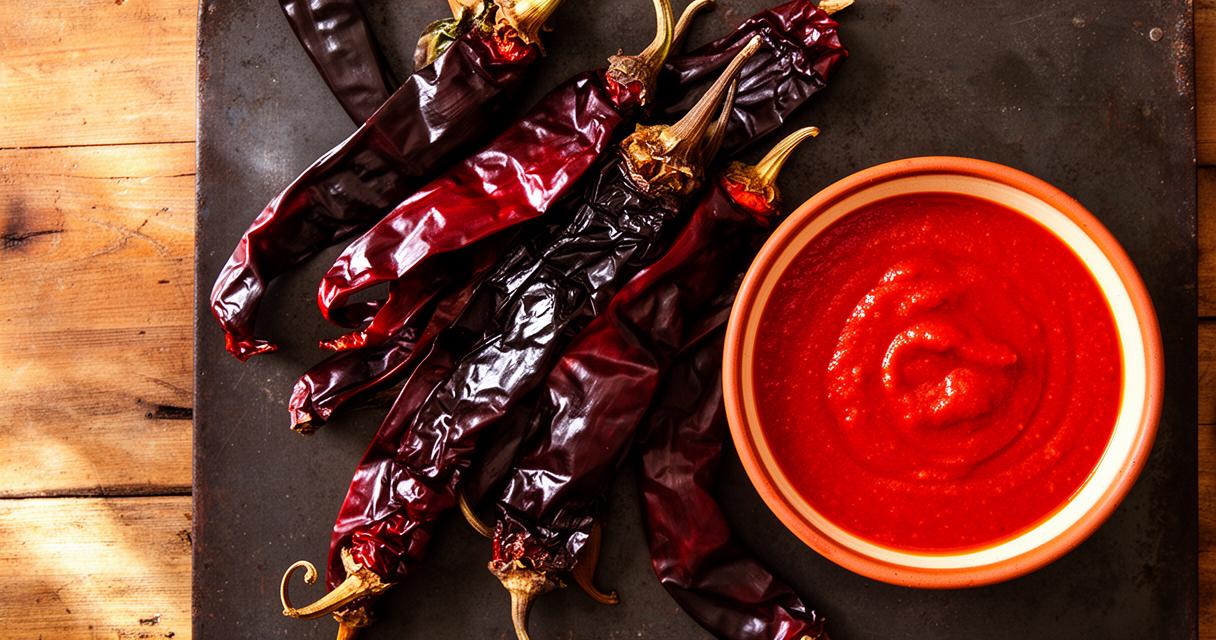
Guajillo chiles are one of the most commonly used dried chiles in Mexican cooking. They have a smooth, shiny, dark red skin and a mild to medium heat level (2,500–5,000 Scoville units). Their flavor is complex — sweet, slightly fruity, with hints of green tea and berry. They're the backbone of many red sauces, pozole, birria, mole, and adobo marinades.
Where to Find It
Available in the Hispanic foods aisle of most US grocery stores, usually in plastic bags near the spices. Latin markets carry them loose by the pound for much cheaper. Online retailers like MexGrocer.com also stock them.
Best Substitutes
Ancho chiles + pinch of cayenne
Sweeter and fruitier than guajillo, less tangy — the cayenne adds back some of the missing heat
This is the most common and closest substitute. Ancho chiles are easier to find in regular grocery stores.
New Mexico chiles (dried)
Similar heat level and color, but earthier and less complex, missing the sweet tanginess
New Mexico chiles are widely available in the Southwest US. They work well in red sauces and stews.
Pasilla chiles
Darker color, more herbaceous and slightly bitter compared to guajillo's sweetness
Pasilla chiles are often sold right next to guajillos in stores. They'll darken the color of your sauce.
Cascabel chiles
Nuttier, slightly smoky, similar heat level but rounder flavor
Less common but a good match for the heat level. Named for the rattling sound their seeds make.
Guajillo Chile Substitute by Dish
Red sauces, birria, and pozole rojo
Use ancho chiles, 1:1 by chile count. Anchos are sweeter and less tangy, so add 1 teaspoon of vinegar or lime juice per 4 chiles to restore the brightness guajillos provide.
Adobos and marinades
New Mexico or California dried chiles, 1:1. These are the closest match in heat level and acidity, and they produce a similar clear red colour.
Mole and complex sauces
Pasilla chiles, 1:1. Darker and more herbaceous than guajillo, but they hold up in long-simmered sauces where guajillo's brightness would cook off anyway.
Salsas where colour matters
Guajillo gives a distinctive clear red. The closest match is New Mexico chiles. Anchos will turn the salsa brown-red rather than bright red.
If you only have powder
1 whole dried guajillo equals roughly 1 tablespoon of guajillo powder. Add it with your dry spices rather than rehydrating.
How Hot Are Guajillo Chiles?
Guajillos are mild — 2,500 to 5,000 Scoville units, roughly the same as a mild jalapeño. Most of their character is flavour rather than heat: tangy, slightly smoky, with a berry-like sweetness and a hint of green tea.
If a recipe calls for several guajillos, the result will be flavourful rather than spicy. To add heat, include one chile de árbol per four guajillos.
How to Prepare Dried Guajillo Chiles
- Wipe each chile with a damp cloth. Stem and shake out the seeds.
- Toast in a dry skillet over medium heat, 30 seconds per side, pressing flat with a spatula, until fragrant. Do not let them darken past a deep red — scorched guajillos turn bitter.
- Cover with hot water and soak 20 minutes until fully pliable.
- Blend with a little of the soaking liquid until smooth.
- Strain through a fine-mesh sieve to remove skin fragments. This step is what separates a silky sauce from a gritty one.
Reserve the soaking liquid — it carries flavour and can replace some of the water or stock in your recipe. Taste it first; if the chiles were old, it can be bitter, in which case discard it.
Frequently Asked Questions
Related Ingredient Guides
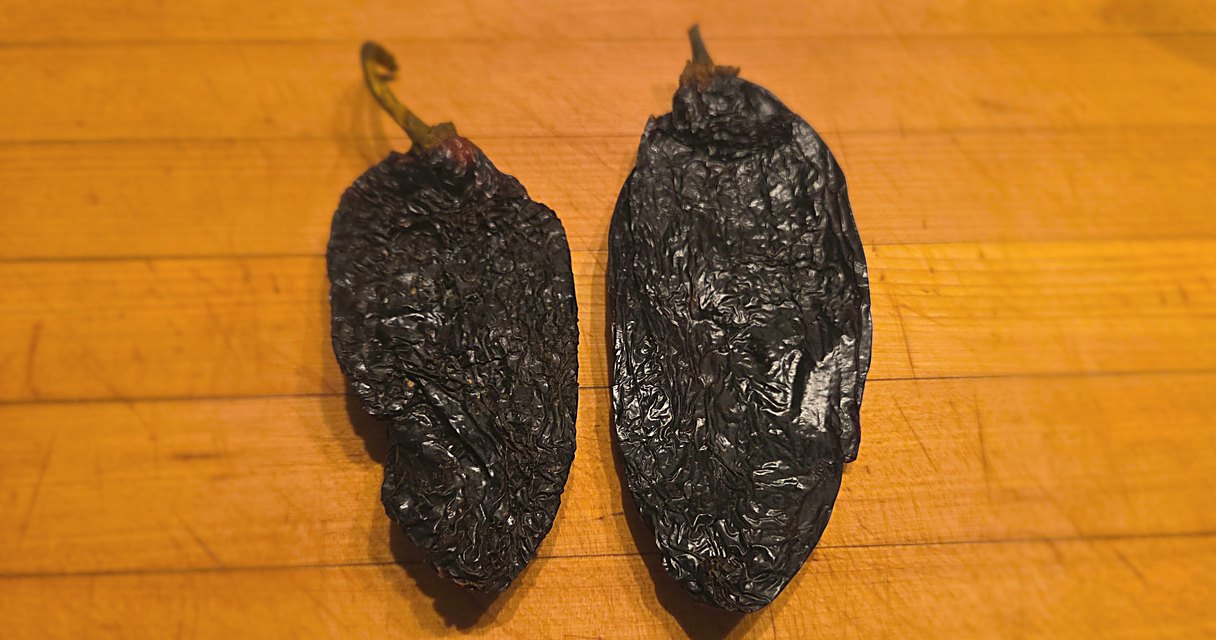
Ancho Chile Powder
Rich, mildly sweet, fruity dried chile powder with notes of raisin, chocolate, and mild heat.
View substitutesChipotle in Adobo
Smoke-dried jalapeños stewed in a tangy, sweet, slightly spicy tomato-vinegar sauce.
View substitutesAdobo Sauce
Tangy, smoky, garlicky tomato-vinegar sauce with mild sweetness and gentle chile warmth.
View substitutesAchiote Paste
Earthy, slightly sweet, mildly peppery red paste made from annatto seeds, spices, and vinegar.
View substitutes