Substitute for Maseca
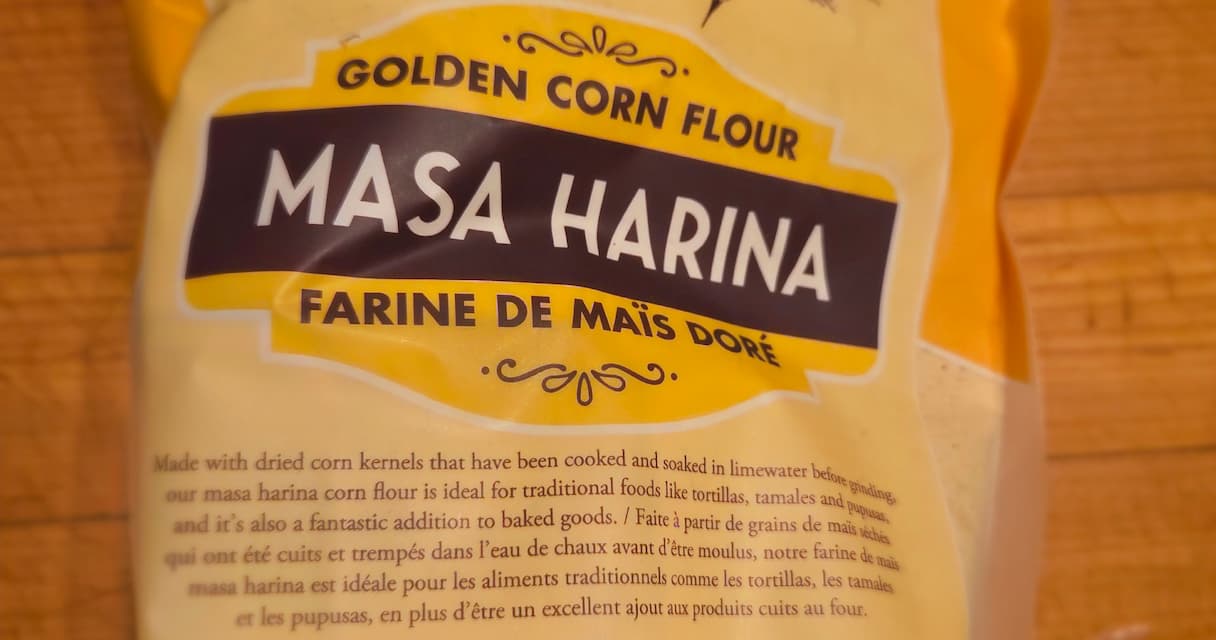
Maseca (Masa Harina)
Need exact measurements? Use the substitution calculator
Flavor profile: Nixtamalized corn flour — earthy, faintly sweet, with the unmistakable aroma of fresh tortillas.
What Is Maseca?
Maseca is the best-known brand of masa harina, the nixtamalized corn flour used for tortillas, tamales, sopes, gorditas and pupusas. Because the brand name is used almost as a generic term, recipes often call for "Maseca" when any masa harina will do. What you cannot swap in freely is ordinary cornmeal or corn flour — neither is nixtamalized, so neither forms a pliable dough or tastes like real masa. This guide covers what works in place of Maseca, ranked by how close each option gets, and which ones only work for thickening rather than dough.
Maseca is a brand, not a different product. It's instant corn masa flour — the most widely sold masa harina in the US. Any masa harina works where a recipe says Maseca, and vice versa.
What matters is the type:
- Maseca (standard bag) — for tortillas
- Maseca para Tamales — coarser grind, tamale dough only
- Maseca para Antojitos — gorditas, sopes and pupusas
Don't use tamale masa for tortillas — the coarser grind makes tortillas crack and fall apart.
Where to Find It
Maseca is sold in the baking aisle or Hispanic foods section of nearly every US supermarket, usually in a yellow-and-red paper bag for $3–5. Bob's Red Mill and store-brand masa harina sit alongside it. Latin markets stock both the white (blanca) and yellow (amarilla) varieties, plus the coarser tamal grind.
Best Substitutes
Any other masa harina brand
Essentially identical — Bob's Red Mill, Gold Mine and store brands are all nixtamalized corn flour
This is the true answer for most recipes: Maseca is a brand, not a unique ingredient. Look for "masa harina" or "instant corn masa flour" on the bag.
Fresh masa from a tortillería
Better — fresh masa is what Maseca imitates, with a sweeter, livelier corn flavour
Ask for masa para tortillas or masa para tamales depending on your recipe. Use it the same day.
Masa harina para tamal (coarse grind)
Same flavour, coarser texture — slightly more rustic tortillas
Perfect for tamales, acceptable for thick tortillas and gorditas. Rest the dough 10 extra minutes so the coarse flour hydrates.
Fine cornmeal
Missing the nixtamalized aroma entirely — tastes of plain corn and feels gritty
Only for thickening chili, soups and stews. It will not hold together as tortilla dough.
Corn flour (not cornstarch)
Right colour and texture, wrong flavour — untreated corn has none of the limey depth
Works as a thickener or a filler in batters. Do not confuse it with cornstarch, which is a flavourless white thickener.
Is Maseca Cornstarch?
No. Maseca is masa harina: dried corn cooked and soaked in lime (calcium hydroxide), then dried and ground. That process, called nixtamalization, is what lets it form tortilla dough. Cornstarch is pure starch extracted from the corn kernel, with no protein, fibre or corn flavour.
They are not interchangeable for dough — cornstarch cannot make tortillas, tamales or pupusas. Both thicken, but differently: cornstarch thickens cleanly with no flavour; Maseca thickens more gently and adds toasted corn flavour, which is why it's used in chili. To replace 1 tablespoon of cornstarch, use 2–3 tablespoons of Maseca whisked into cold water.
Maseca vs Corn Flour vs Cornmeal (UK and Australia)
In the UK, Ireland and Australia, "cornflour" means cornstarch — not Maseca. If a UK recipe says cornflour, it wants a thickener. If a Mexican recipe says masa harina or Maseca, cornflour won't work.
Cornmeal and polenta are ground dried corn that hasn't been nixtamalized. They can't make tortilla dough, though fine cornmeal works as a thickener for chili.
Harina P.A.N. Substitute (and How It Differs from Maseca)
Harina P.A.N. is precooked white corn meal — called masarepa — used for Venezuelan and Colombian arepas. It is not nixtamalized, so it is a different product from Maseca and masa harina, and the two aren't interchangeable in most recipes.
Best substitutes for arepas:
- Other masarepa brands, such as Goya Masarepa or Areparina — 1:1, the same product.
- Masa harina or Maseca — workable in a pinch at 1:1, but arepas come out denser with a tortilla-like flavour. Add water a little at a time until the dough is soft and doesn't crack at the edges, then rest it 10 minutes.
What won't work: regular cornmeal, polenta or cornstarch. None of them holds together as arepa dough.
Going the other way, Harina P.A.N. is a poor substitute for masa harina in tortillas and tamales. Without nixtamalization the dough tears and the flavour is flat.